Author: Dave Burchett

  • 3 Ways for Dads to Leave a Legacy – Day 1

    3 Ways for Dads to Leave a Legacy – Day 1

    Occasionally people will observe our three wonderful sons and ask something like this. “What did you do to parent such great kids?” My response is simple. “I married Joni. The rest is a blur.” There is a little too much truth in that answer. She was and is remarkable. But we did partner in this grand adventure called parenting. Along the way I learned some things mostly by error and stumbling trial. Over the next two days I will share what I have figured out with the disclaimer that I do not claim to be an expert. It is with humility and grateful appreciation to God that He has given me the gift of this family.

    One thing I have learned in my journey is that every dad leaves a legacy. The only question is whether that legacy will be good, bad, or indifferent. Being a father is tough because we learn how to parent while on the job.

    Ken Druck and James Simmons in The Secrets Men Keep discuss six major secrets men have. At the top of the list is that “men secretly yearn for their fathers love and approval.” This is often without their conscious knowledge that this yearning manifests itself in the drive that many males have to prove themselves. The authors say:

    It may surprise us to know that the most powerful common denominator influencing men’s lives today is the relationship we had with our fathers …. Of the hundreds of men I have surveyed over the years, perhaps 90 percent admitted they still had strings leading back to their fathers. In other words, they are still looking to their fathers, even though their fathers may have been dead for years, for approval, acceptance, affection, and understanding.

    These articles are not about being a perfect dad. If it were, I would be completely unqualified to write it. This series is not about piling guilt on you for mistakes made. I am not looking for the result like the boy who said to his preacher on the way out, “Boy, that was a good sermon. My dad slumped way down today.” This series is seeing what God’s plan is for leaving a positive legacy as an earthly father.

    The first way to leave a good legacy is found in Paul’s letter to the church at Ephesus.

    Husbands, love your wives, just as Christ loved the church and gave himself up for her. (NIV, Ephesians 5:25)

    The translation in The Message says this.

    Husbands, go all out in your love for your wives, exactly as Christ did for the church–a love marked by giving, not getting.

    The number one way to leave a great legacy for your children is very simple:

    Love your wife.

    If you are already 0 for 1…or 0 for 2…hang with me. God is a God of grace and compassion. We will see how He can work even when the ideal is no longer possible in upcoming posts.

    The idea of marriage as an absolute commitment is an endangered species. Our culture has devalued marriage to the point where far too many people enter relationships on a trial basis with no expectation that it can last. I will guarantee you one thing…that mindset will make it much more likely that it will not last. Had Joni and I shared that value we would be a stat and our children would be from a divided home. Why should followers of Jesus believe that marriage is for all time? A report by Warren Mueller revealed that where both parents attend church regularly, 72% of their children continue in the faith. Where only the father attends, that percentage drops to 55 percent, but where only the mother attends, just 15 percent of the children remain involved in the church.

    Theodore M. Hesburgh wrote that the “most important thing a father can do for his children is to love their mother”.

    Your children watch how you treat their mother. They watch … and they are learning and forming their concept of marriage from you. You are creating a pattern, a blueprint for marriage with your children. I struggled as a husband because I had not seen that blueprint in my parents’ marriage. My Dad was a good dad but my parents did not have a good marriage. Joni and I had to break the cycle because she also came from a difficult family situation. Because we broke the cycle our kids have seen a marriage that survived, and not only survived but is happy. But we had to do a lot of learning on the job.

    Part of my preparation for this series was a survey of my three sons. I asked my sons three questions and not one of them was “What is your quest”.

    What were their favorite memories with me?
    What did they learn from me as a dad?
    And what do they wish I had done differently?

    Yeah…that last question scared me for one major reason. My sons are truthful. But I figured if I had done something really wrong in their eyes I wanted to seek forgiveness now. I thought the exercise would make them consider how they could be better fathers and how they could break more cycles.

    Our oldest son Matt wrote a little extra in his letter:

    And thank you for being committed to Mom.  It is a rarity to have a family that is not broken.  But you gave up bigger things to make sure we stayed together and that has made all the difference.

    I loved how The Message gives a fresh twist to Paul’s familiar words to the Ephesian Church.

    Husbands, go all out in your love for your wives, exactly as Christ did for the church—a love marked by giving, not getting. Christ’s love makes the church whole. His words evoke her beauty. Everything he does and says is designed to bring the best out of her, dressing her in dazzling white silk, radiant with holiness. And that is how husbands ought to love their wives. They’re really doing themselves a favor—since they’re already “one” in marriage. (Ephesians 5:25, The Message)

    If you are still able to control this one move it to the top of your list. The first step to leaving a good legacy as a dad is to love your wife!
  • Postcards from God Get Delivered in the Most Unusual Places

    Postcards from God Get Delivered in the Most Unusual Places

    What if we are stubbing our toes on the sacred every day and not realizing it?

    That is one of the taglines promoting my book Waking Up Slowly. The book proclaims that we are the most connected culture in history but arguably the most disconnected from the awareness of God’s presence. I examine twenty-one different attitudes and actions that cause me to miss the sacred moments that I believe can be found in every day.

    But like the believers of the early church at Galatia I have an amazing ability to forget what I have learned (and written). Paul could have addressed this to me in recent weeks.

    You were running the race so well. Who has held you back from following the truth? It certainly isn’t God, for He is the one who called you to freedom. (Galatians 5:7-8, NLT)

    I run along smoothly for a day. Sometimes two. Then I forget who I am. Not my actual name. I generally can recall that. I forget who I am in Christ. I forget that God has my back and my future. I fret about nothing. The answer to Paul’s question about who has held me back from the truth is simple and convicting. That would be me.

    And then I get a postcard from God in the most unexpected way.

    During our annual beach trip to Gulf Shores, Alabama I was wading in the Gulf with daughter-in-law Holly and almost two-year-old Madeline. Nestled in her Mom’s arms she giggled when the waves crashed around her. Suddenly we heard this frightening bombshell from Madeline.

    “Paci…wawa!”

    Her beloved pacifier had fallen into the Gulf. Parents and Grandparents know this moment of abject panic and Madeline was predictably unhappy. I began frantically searching for it but Holly assured me there was a backup and a backup to the backup at the house.

    I decided to go to edge of the surf anyway and see if it might wash ashore. Nothing. A few minutes went by and I gave up the search. I walked a few yards down the beach and explained the story to our neighbors.

    “If you happen to see a pacifier wash up on the beach you can be the hero of the week! We are in the yellow house over there.”

    They laughed and we chatted a bit more. I started to leave with this line.

    “If Jonah’s whale spits up the pacifier let us know.”

    As I turned to rejoin the family I looked down. To my sheer amazement I saw  this incredible sight two feet from my two feet.

    Pacifier

    I am not proud of my reaction.

    “I think that is her pacifier,” I said knowingly as if pacifiers routinely roll in with the tide and I had to double check to make sure this one was hers. The couple was amazed. A young man in his twenties had been listening to the exchange and he responded with the most honesty.

    “How the H*** did that happen?”

    I just laughed. I had an idea that God had just sent a postcard to his forgetful child in the most playful way. I had written from Psalm 139 that God knows everything about me. That He is everywhere I am. And that God ordains everything about me.

    What are the odds of a pacifier depositing itself two feet from me on the beach several minutes after it went in the drink? By the way, the current was very strong that day. I know it is possible. I know that some will write it off to coincidence. I am choosing to believe that a loving Father decided to have some fun with His child. The God who created the Heavens and earth can no doubt direct a little piece of plastic to a predestined destination. I don’t mean to compare my little water miracle to the deliverance of the children of Israel but I can proclaim His greatness.

    “Who is like you among the gods, O Lord—
        glorious in holiness,
    awesome in splendor,
        performing great wonders?  (Exodus 15, NLT)

    You should have seen the look on Holly’s face when I returned with the treasure. Even better was the joy on Madeline’s countenance. She may not get the theology yet but she sure understands gratitude.

    Call it luck if you wish. I call it something else. A postcard from God.

    Join me on a journey to become more connected to God and one another.


  • I Was Born In A Small Town

    I Was Born In A Small Town

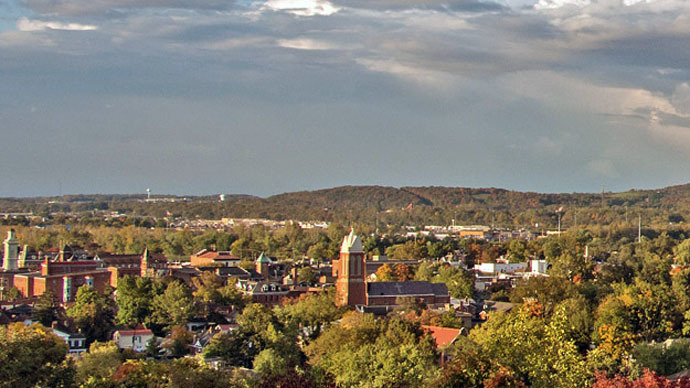
    John Mellencamp’s song Small Town is, in many ways, my story. I was born in the small town of Chillicothe, Ohio and even though I have moved to the big town I am still a small town guy at heart.

    Educated in a small town
    Taught the fear of Jesus in a small town
    Used to daydream in that small town
    Another boring romantic that’s me

    I was indeed taught the fear of Jesus in a small town. Boy howdy was I taught that! The respect of God’s Holy nature is certainly something that needs to be taught. But the rest of the Gospel story was not proclaimed nearly as well. I wasn’t shown the love of Jesus nearly as passionately as I was taught judgment and the need to shape up and not sin.

    Dr. Karl Barth was one of the most brilliant theologians of the twentieth century.  He wrote weighty volumes on faith.  A reporter once asked Dr. Barth if he could summarize what he had said in all of his voluminous works.  Dr. Barth thought for a moment and then said: “Jesus loves me, this I know, for the Bible tells me so.” I wish we would default to that more in our journey.

    No I cannot forget from where it is that I come from
    I cannot forget the people who love me
    Yeah I can be myself here in this small town
    And people let me be just what I want to be

    I cannot forget where I come from physically. That origin helps define me. But I often forget where I came from spiritually. I am prone to forget how desperate I was for grace and forgiveness. Paul reminds Titus to tell the believers in Crete to remember where they came from…

    Remind the believers to submit to the government and its officers. They should be obedient, always ready to do what is good. They must not slander anyone and must avoid quarreling. Instead, they should be gentle and show true humility to everyone. Once we, too, were foolish and disobedient. We were misled and became slaves to many lusts and pleasures. Our lives were full of evil and envy, and we hated each other. But—“When God our Savior revealed his kindness and love, he saved us, not because of the righteous things we had done, but because of his mercy. He washed away our sins, giving us a new birth and new life through the Holy Spirit. He generously poured out the Spirit upon us through Jesus Christ our Savior. Because of his grace he declared us righteous and gave us confidence that we will inherit eternal life.”  (Titus 3, NLT)

    That is where I came from as a follower of Jesus. My constant challenge is to not forget my spiritual roots.

    * If I can’t forgive then I have forgotten where I came from and I have forgotten how much I have been forgiven.

    * When I look with disdain at another person I have forgotten where I came from. That person is a soul that Jesus loves.

    * When I don’t accept another brother or sister I have forgotten where I came from. I have forgotten that I was unacceptable to a Holy God and that it is only because of Jesus that I am acceptable to Him. We must offer the same grace to others.

    * When I can’t serve without expectation of personal return I have forgotten where I came from. If I remember where I came from I will serve because I am grateful for the amazing grace of Jesus.

    * When I don’t give joyfully of my time and treasure I have forgotten where I came from. If  I truly understand where I came from the natural response is to serve Him joyfully.

    This is important stuff. I don’t want to forget where I came from both as a person and as a child of God. My small town Chillicothe, Ohio roots are a big part of who I am. And my encounter with grace at the foot of the Cross defines who I am spiritually. I pray that I will remember every day who I am and where Jesus brought me from. I was born in a small town but I was redeemed by a big God. Today I will meditate on the wisdom of renowned theologian Karl Barth.

    Jesus loves me.
    This I know.
    For the Bible tells me so.

    Check out the newest book at WakingUpSlowly.com. (more…)

  • Who (or What) Are We Going to Serve Today?

    Who (or What) Are We Going to Serve Today?

    Bob Dylan wrote some powerful songs about his faith journey in the late 70’s. One song he composed popped up on the music feed recently. “Gotta Serve Somebody” simply says that no matter how independent, self-sufficient or in control we might try to be we still serve something or somebody.

    But you’re gonna have to serve somebody, yes indeed
    You’re gonna have to serve somebody
    Well, it may be the devil or it may be the Lord
    But you’re gonna have to serve somebody

    That lyric struck a spiritual chord because it reminded me of some seriously head and heart messing stuff I have been reading from Tim Keller. Keller wrote a thought provoking definition of idolatry and how we can substitute even good things for God.

    “Sin is building your life and meaning on anything, even a very good thing, more than on God. Whatever we build our life on will drive us and enslave us. Sin is primarily idolatry.” (Tim Keller, “Talking About Idolatry in a Postmodern Age,” www.thegospelcoalition.org)

    That is disturbing for a guy who was taught from childhood that sin is simply a list to check off my righteous behavior. That list contained but was not limited to movies, liquor, cigarettes, dancing, shacking up, long hair and rock and roll. I thought I was doing pretty well on the idolatry commandment.

    Tim Keller’s definition of sin takes all of the fun out of self-righteous comparison and judging.

    Here is another toe-stomper from Tim Keller. “If our identity is in our work, rather than Christ, success will go to our heads, and failure will go to our hearts.”

    Who I am serving today and where I place my identity will define my actions and reactions. I wrote this in Waking Up Slowly.
    My worth is not in always being right or being the smartest guy in the room. My worth is defined by being a child of God and a friend of Jesus. When I keep my eyes on Jesus, I maintain a better perspective on every area of my life.
    It is a hard truth to admit that we often worship the things of this world because they really can be good things. God in His loving grace does not desire for us to be deprived of good and pleasurable things. He simply wants us to place them in proper order and to understand they are sources of happiness and not the source of joy. Later in the passage Paul gives one key to avoiding idolatry and where our identity should be found.

    Put on your new nature, and be renewed as you learn to know your Creator and become like Him. In this new life, it doesn’t matter if you are a Jew or a Gentile, circumcised or uncircumcised, barbaric, uncivilized, slave, or free. Christ is all that matters, and He lives in all of us. (Colossians 3:10-11, NLT)

    Your assignment is to take a moment to read verses 12-17 to see what the results of this action might look like. There will not be a quiz.

    Another key is to remember a campfire song from the Jesus movement that was, to borrow the approach of Law and Order, “ripped” from the Gospel of Matthew. (Matthew 6:33)

    Seek ye first the kingdom of God, and his righteousness;
    and all these things shall be added unto you.
    Allelu, alleluia

    Everybody is going to serve somebody or something. Who (or what) are you centering your life on today? I choose today to serve Jesus. I can’t do this by myself.

  • Smiling Faces Sometimes…

    Smiling Faces Sometimes…

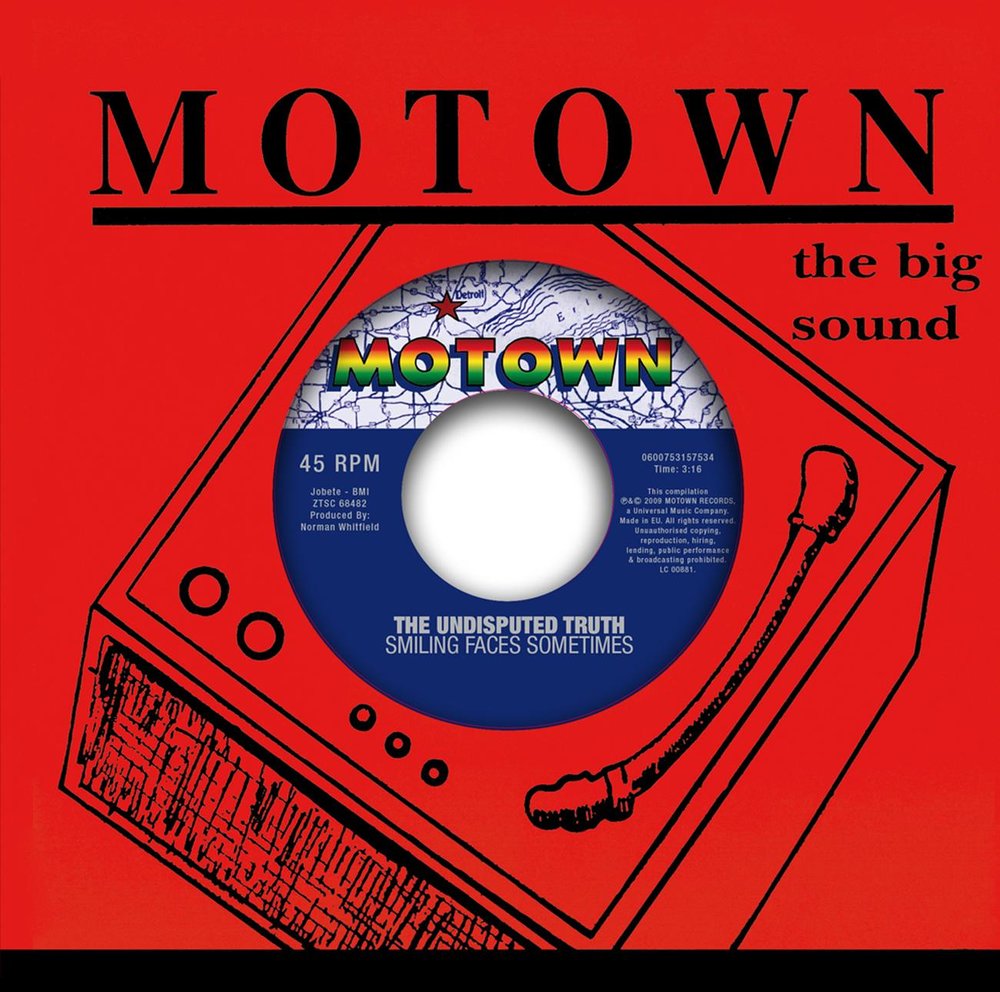
    On a day off in Detroit I finally got the chance to visit the Motown Museum. I loved every minute of it! One of the songs that played during the tour was Smiling Faces Sometimes from a group called Undisputed Truth. The song was originally recorded by the Temptations but the version released by Undisputed Truth in 1971 became the number 3 song that year.

    Here are the opening lyrics from that song…

    Smiling faces sometimes pretend to be your friend
    Smiling faces show no traces of the evil that lurks within
    Smiling faces, smiling faces sometimes
    They don’t tell the truth uh
    Smiling faces, smiling faces
    Tell lies and I got proof

    I often hear from wounded Christians who could have started their note with those lyrics. They have been hurt and betrayed by other churchgoers, often with smiling faces. I try to encourage them. I remind them that we are all human. I ask them to look to Jesus. I try to communicate that I have felt and do feel the pain that they are experiencing. But every time I hit send I am saddened that we allow this to happen in the body of Christ. Sometimes I am downright ticked off that any of us allow our agenda and self-absorption to overpower the awe inspiring gift of grace that brought us together in the first place. Not many things seemed to anger Jesus more than hypocrites. Listen to these comments directed to the religious leaders.

    “How terrible it will be for you teachers of religious law and you Pharisees. Hypocrites! You are so careful to clean the outside of the cup and the dish, but inside you are filthy–full of greed and self-indulgence! Blind Pharisees! First wash the inside of the cup, and then the outside will become clean, too.

     “How terrible it will be for you teachers of religious law and you Pharisees. Hypocrites! You are like whitewashed tombs–beautiful on the outside but filled on the inside with dead people’s bones and all sorts of impurity. You try to look like upright people outwardly, but inside your hearts are filled with hypocrisy and lawlessness.

     “Snakes! Sons of vipers! How will you escape the judgment of hell?

    Does that sound like the happy, happy Jesus that we like to portray? In a handful of verses He called the self-righteous leaders hypocrites, lawless, filthy inside, and sons of vipers. Ouch. Jesus was righteously furious. And He was furious over phony faith. Compare His tender response to repentant sinners. It is clear that Jesus wants honest hearts and maybe, just maybe, that is why He preferred to hang out with the not so self-righteous.

    Tax collectors and other notorious sinners often came to listen to Jesus teach. This made the Pharisees and teachers of religious law complain that he was associating with such despicable people–even eating with them!  Luke 15  NLT

    Oh no!!! Eating with sinners! And yet I still see that ugly scenario playing out everyday. We find safety in surrounding ourselves with others just like us. The lifestyles of the lost and not so famous are uncomfortable to us. So we take the safe route. I think Jesus loved being with the “sinners” because they realized their condition. They offered no excuses. They were eager to hear how this remarkable teacher would address that condition.

    Just like the pharisees I can clean up the outside real purty. But God knows what lies beneath. It is scary and painful and ugly to allow the Holy Spirit to start cleaning out the dirt, the dead bones, and everything unclean. But we will never experience God the way He desires to relate to us unless we are willing to do just that. That is a hard truth.

    The lyrics continue…

    Your enemy won’t do you no harm
    Cause you’ll know where he’s coming from
    Don’t let the handshake and the smile fool ya
    Take my advice I’m only try’ to school ya

    That is why it hurts us so much when someone in the church does the wounding. We don’t expect it. We are not prepared at all to get sucker punched by a family member. Smiling faces do sometimes tell lies. Smiling churchgoers sometimes do great damage.

    But there is another possibility. What if we focus on who Jesus says we are? Righteous. Forgiven. Redeemed. Smiling faces that love others like Jesus and with radical grace can still change this world. And, in my heart, that is undisputed truth.

    Check out a sample chapter or two from my new book Waking Up Slowly here.


  • Note to Self…

    Note to Self…

    A song from Jason Gray is on my “I need to remember this every single day” playlist. The song is called “Remind Me Who I Am”.

    Jason Gray’s song is exactly what I need for this season of my life. Here are some of the lyrics.

    When I lose my way
    When I forget my name

    Remind me who I am

    In the mirror all I see
    is who I don’t wanna be

    Remind me who I am

    I have to be reminded constantly that to be effective in this journey you have to remember who you are in Christ.

    Paul’s letter to the Ephesians is in play here. Paul had spent a little over two years teaching and discipling the new believers in Ephesus. Just a few short years after he left Paul received reports that those new hearts had reverted to old habits. Things were a bit of a mess and the word came back that the old behaviors of rage, immorality, lying, stealing and gossip were resurfacing. Paul wrote a letter to address this sad turn of events. Yet the amazing thing to me is that the first three chapters never address their sin. Paul even calls them as saints for crying out loud! If I was writing that letter it would have had an entirely different tone. Something more along these lines. “What are you thinking? I am so disappointed in you. What is wrong with you? Do you know how much I sacrificed for you?” But Paul doesn’t do that. Rather, in the first three chapters, he talks about identity. He reminds them who they are. That is what Jason Gray is asking God to do in his song.

    In the loneliest places
    When I can’t remember what grace is

    Tell me once again who I am to You
    Who I am to You
    Tell me
    Lest I forget who I am to You
    I belong to You

    I had a really difficult time trusting my identity. But your actions tend to reflect who you believe you are. You default to your identity. I had read this verse from Paul’s second letter to the church at Corinth dozens of times:

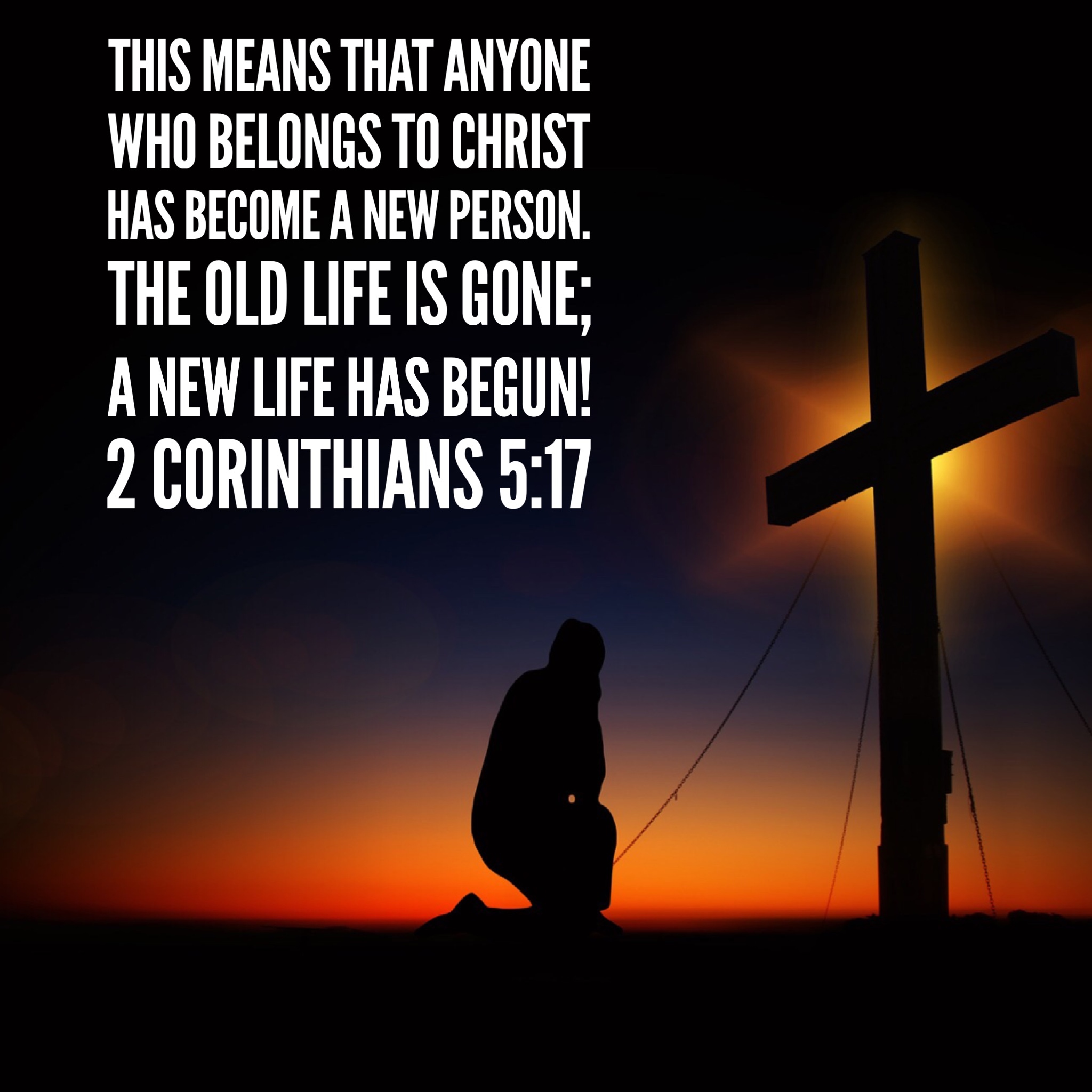
    “This means that anyone who belongs to Christ has become a new person. The old life is gone; a new life has begun!” (2 Corinthians 5:17)

    Because of Christ I have a new identity. I am righteous because of Him and not because of trying to do more right “stuff.” I am a saint and there is no condemnation in Christ Jesus. It is a liberating and joyous message. But there is a problem. Satan hates that message of hope and change. And so he goes about trying to “steal’ my identity in Christ. I spend money and time and put lots of effort into protecting my financial and personal identity and certainly that is important. But I would suggest that our spiritual identity is far more important and I am afraid we make it all too easy for the enemy to steal away it from us.

    Remind me who I am
    When I can’t receive Your love
    Afraid I’ll never be enough
    Remind me who I am

    If I’m Your beloved
    Can You help me believe it

    We find it difficult to believe that we are changed because many times when we fail the old tapes are instantly cue up and start playing loudly:

    You will never change.
    You always do that.
    I can’t believe you did that again.
    What is wrong with you?

    All of those accusations that Satan (and others who are quite happy to help) hurls your way are no longer true about you. All of the guilt and shame and sin that used to define you are no longer true. That old life is gone. You are a new creation. New life has begun.

    Even though the Ephesians had messed up royally in how they were living out their faith Paul did not condemn them as he began his letter. He had to be heartbroken. But he showed his love by not lecturing but by reminding them who they were….adopted, redeemed, and sealed. Saints. He NEVER wrote a word about changing their behavior until chapter four!

    I have spent too many years being an Ephesians 4 to 6 Christian. I looked at behavior and judged that…often sinfully. I am becoming an Ephesians 1 to 3 Christian. Remembering and reminding myself and others who we are. Out of those truths behavior changes.

    Jason Gray sings in the chorus to “Tell me once again who I am to You”. When you are a follower of Christ here a just things that are true of you.

    Adopted. Redeemed. Sealed. Loved. A saint. Righteous. Accepted. Forgiven. A new creation. A child of God.

    No matter what difficulty or trial you might encounter this week I pray that you will take a moment and remember who you are. A saint. Adopted. Redeemed. Sealed. And live out of those amazing truths. Consider yourself (and your humble fellow journeyer) reminded.

  • Words Do Matter. A lot.

    Words Do Matter. A lot.

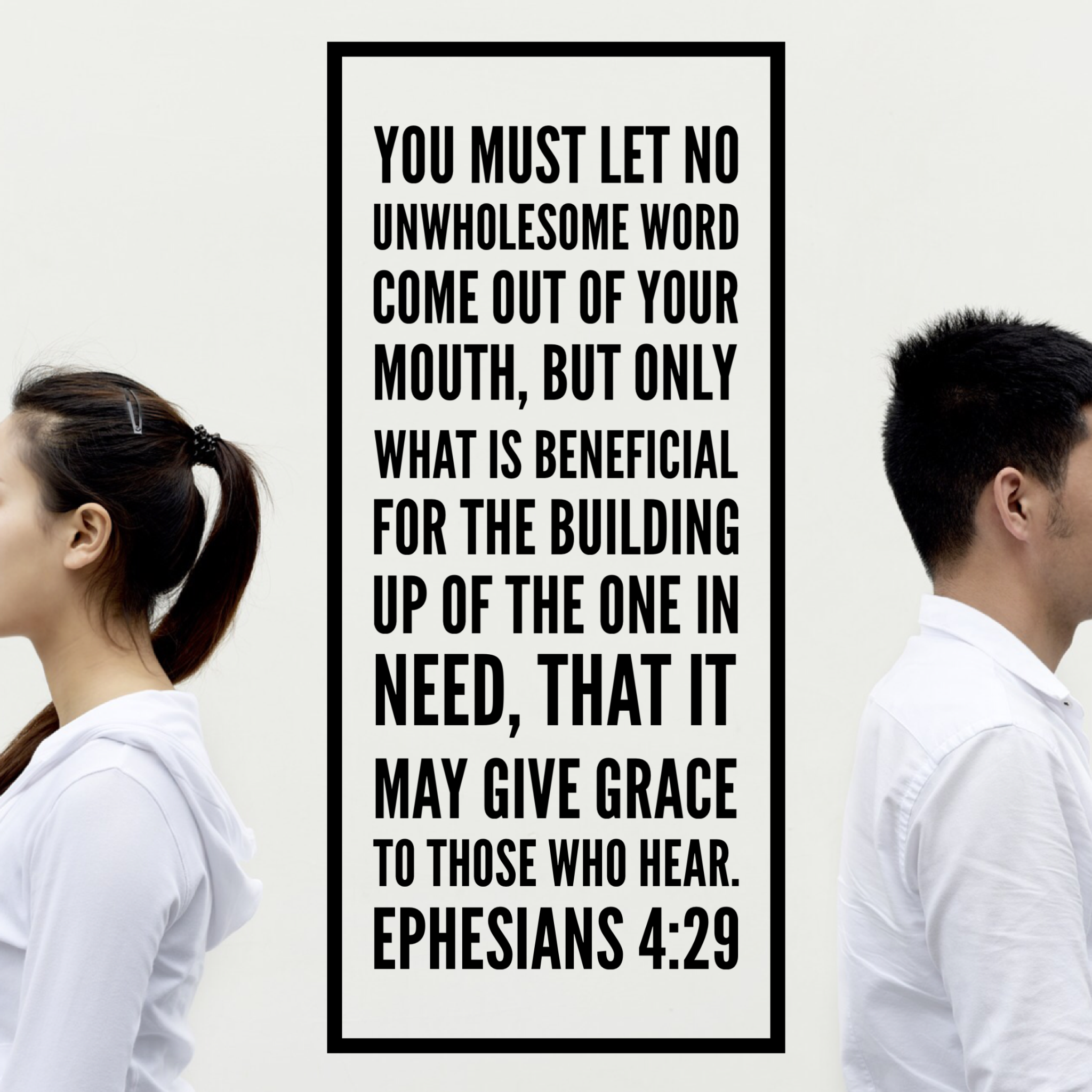
    The uproar over late night comedian Stephen Colbert’s rant has focused a lot of attention on how far you can go in public discourse. Colbert often talks about his faith and I do not doubt his sincerity. However, I would challenge him to take a look at what Scripture has to say about the words we say and the power they have. That is an uncomfortable challenge I have taken.  I have included an excerpt from my new book Waking Up Slowly about the power of words.

    When it comes to social media people seem to be on the attack all the time. We say truly ugly things and assign terrible motives to people we don’t know. I quit going negative on social media many years ago. I affirm where I can and stay silent when I cannot. I just don’t understand what satisfaction people get from savaging someone or something from the safe bunker of the Internet. Maybe I should invent a program that prompts you to pray before you hit send?

    The meaning of words can change over the years. Sometimes we diminish the power of words by overuse and misuse. One annoying example for me is the word awesome. If a breakfast sandwich is awesome, then what descriptor can you possibly pull out for a sunset that evening? Another word I would like to reclaim and limit is hate. Hate is a powerful and deeply affecting word. But we toss it around so casually that it makes me wince. We hate everything from Congress to broccoli. I am not sure that this chapter would have made it into this book if my journey had been taken in a non-political year.

    I am saddened, sickened, disturbed, and frightened at how the word hate is being hurled in our national discourse. Red-faced people running for office spew vitriol at those they disagree with. It can be an honest and complicated issue that candidates are reacting to, but they reduce the debate to hating their opponents.

    Author James Baldwin made this insightful observation: “I imagine one of the reasons people cling to their hates so stubbornly is because they sense, once hate is gone, they will be forced to deal with pain.”

    Isn’t that the truth? It is so much easier to demonize than understand. It is up to me and to you to change the discourse. We need to start by allowing God to be the one who defines hate. After all, He does have that righteous and holy thing on His resume.

    In the Book of Proverbs, there is a list of seven things that God hates.

    eyes that are arrogant,

    a tongue that lies,

    hands that murder the innocent,

    a heart that hatches evil plots,

    feet that race down a wicked track,

    a mouth that lies under oath,

    a troublemaker in the family.   (Proverbs 6:17-19, The Message)

    It is heartbreaking that we, the body of Christ, have communicated a very different list of what we think God hates most. Perhaps we do that because the list above deals with the darkness in our own hearts. It is far easier to judge sin that isn’t my issue, instead of the painful work of confronting my own sin. As Philip Yancey wisely observes, “Christians get very angry toward other Christians who sin differently than they do.”

    And, inexplicably, we get incredibly angry at people who sin, but who do not share our hope in Jesus. What in the world do we expect them to do? Isn’t that part of why God graciously allows us another day, so that we can be light to those who do not share our faith?

    Shouldn’t step one for me and for you as believers be to see how many items on this list that God hates still lurks in my own heart? Does this list look anything like the list of things that we say God hates to many non-churchgoers? To be sure, there are other sins that go against God’s perfect plan and Word. But the consistent thing that I keep confronting is that He is annoyingly more concerned about my heart than the actions of others. God is not attention deficit and I cannot distract Him with a shiny sign condemning someone else’s sin. The politician’s favorite tact of justifying bad behavior with other bad behavior does not work with a holy God. Frankly, I am grateful He loves me too much to give me a pass on my blindness.

    Pastor Mark Mitchell is one of many people who has reflected on Rabbi Joseph Telushkin’s assessment of the power of words.

    Rabbi Telushkin, author of Words That Hurt, Words That Heal, has lectured throughout this country on the powerful, often negative impact of words. He often asks audiences if they can go 24 hours without saying any unkind words about, or to, another person. Invariably, a small number of listeners raise their hands, signifying “Yes.” Others laugh, and quite a few call out, “No!”

    Telushkin responds, “Those who can’t answer ‘yes’ must recognize that you have a serious problem. If you can’t go 24 hours without drinking liquor, you’re addicted to alcohol. If you can’t go 24 hours without smoking, you’re addicted to nicotine. So if you can’t go 24 hours without saying unkind words about others, then you’ve lost control over your tongue.”

    Perhaps I am more finely tuned because of this journey to connect more with God and others, but it seems that people talk a lot about things and people that they detest. Hate is a very serious word to use when talking about anyone, and especially another believer. As Christians, we simply do not have that option.

    If someone says, “I love God,” but hates a fellow believer, that person is a liar; for if we don’t love people we can see, how can we love God, whom we cannot see?  1 John 4:20

    If anyone claims, “I am living in the light,” but hates a fellow believer, that person is still living in darkness. 1 John 2:9

    Ouch. It’s very clear—and uncomfortable to hear—that I need to pray for those I disagree with in the faith community.

    But beyond that, I think we need to be extraordinarily prayerful about throwing the hate card at anyone. I would suggest that we often allow ourselves to slip from hating the sin to hating the sinner as well. A wise man tells us that “the fear of the Lord is hatred of evil. Pride and arrogance and the way of evil and perverted speech I hate” (Proverbs 8:13).

    All of those—pride, arrogance, the way of evil, and perverted speech—are attitudes, not folks. We have a really hard time separating those two and we need to be cautious about flinging around the “hate the sin and not the sinner” cliché. I need to work at that distinction in love.

    We certainly see the first half of this Proverb played out every day on cable news.

    Hatred stirs up strife,
    but love covers all offenses.
    (Proverbs 10:12)

    The second half of this Proverb has been demonstrated by a few brave souls in my lifetime. Martin Luther King Jr. had some legitimate reasons to hate, but he chose not to. His words have not lost their power: “I have decided to stick with love. Hate is too great a burden to bear.”

    Another courageous African-American, Booker T. Washington, made a similar choice. “I will permit no man to narrow and degrade my soul by making me hate him.”

    I know there are some people who are so evil that they seem unredeemable outside of a true miracle. But I have found the majority of folks that disagree with me are generally decent people, when I take the time to hear their stories and get to know them. We hate people we don’t know and, without a doubt, that suspicious attitude prevents us from ever engaging with them.

    I have decided to severely curtail my use of the word hate. I am making the choice to permit no man to degrade my soul by making me hate. And for the spiritual hall monitors, be aware that I am not going squishy on sin. There are actions, attitudes, and sins that I hate.

    I have to remind myself that the actions that make me angry are the result of our fallen nature and sin. Hating people will not fix either of those issues. I can’t influence hearts by using inflammatory words. Words do matter. A lot.