Tag: messiah

  • WWJA? What Would Jesus Ask?

    Followers of Jesus confidently proclaim that Jesus is the answer.

    I believe that.

    But it is fascinating to see how Jesus, the one with all the answers, dealt with those who asked Him questions. The Gospels record 183 times that Jesus is asked a question. He directly answered only three. That is not a typo. Three.

    If you want to do a little extra credit homework they are John 18:37, Luke 11:1, and Matthew 22:36-37. I was more that a little surprised when I first learned of those numbers.

    The Gospels also note that Jesus asked 307 questions. There is clearly something to be gleaned from these numbers. Without a doubt I believe that Jesus knew the answers. He also knew the heart and motives of the questioners. So why in the world would he deflect and ask a question instead of just answering directly with the perfect wisdom of God?

    The technique Jesus used most often was answering a question with a question. My feeling is that Jesus responded that way because He understood the nature of man. Many (if not most) of the questioners had already reached a conclusion before asking. Jesus knew that a perfectly timed question would often help validate a point that needed to be made. Sometimes the question exposed the hypocrisy of the interrogator. Perhaps the most important reason was answering a thoughtful query forced the people asking the question to think.

    One of the three questions Jesus answered directly from the list above was when a disciple asked “will you teach us how to pray”? I believe Jesus responding to questions with a question was likewise teaching us how to more effectively share the truth we so desperately desire to communicate.

    Jesus is teaching us to listen and initiate honest conversation. If a follower of Jesus comes across as a know it all it can diminish the grace Jesus offers to anyone seeking Him. Engaging in caring conversation opens the door to speak truth without condemnation.

    Jesus opened the door and invited those who were actually seeking answers to come inside and learn. Often His honest questions exposed those whose goal was to deny who Jesus said He was.

    Matthew described a moment when some religious leaders tried to shame the disciples of Jesus with this question.

    Then some Pharisees and teachers of the law came to Jesus from Jerusalem and asked, “Why do your disciples break the tradition of the elders? They don’t wash their hands before they eat!”

    I can picture the smug expressions on the faces of the Pharisees. They did not see this question coming.

    Jesus replied, “And why do you break the command of God for the sake of your tradition?” (Matthew 15:1-3)

    Jesus redirected a legalistic accusation into a question about the motivation of the Pharisee’s hearts. Powerful.

    A question that Jesus asked His disciples rocked my early career desire to seek money and power.

    “And what do you benefit if you gain the whole world but lose your own soul? Is anything worth more than your soul?” (Mark 8:36-37, NLT)

    Whoa! Wait! That was an important question I had to consider. As I have added considerable mileage to my spiritual journey odometer I have seen the answer to that question revealed so clearly. There is nothing in this world that matters more than the hope I have in Jesus for my eternal home and for the heavenly reunion with so many dear to me.

    But the most important question that Jesus asked in my humble opinion was recorded in Matthew 16. Jesus asked his disciples who the general population thought he was. They replied that some thought he was John the Baptist. Some felt he might be Elijah, Jeremiah, or another one of the prophets.

    I can picture Jesus listening intently and then asking the most important question any of us will ever answer.

    “But who do you say I am?”

    I tried to dodge that question for a period of time but I finally came to believe the response that Peter gave to Jesus.

    Simon Peter answered, “You are the Messiah, the Son of the living God.”

    Jesus replied, “You are blessed, Simon son of John, because my Father in heaven has revealed this to you.”

    Everyone who responds in that way is blessed. I am so grateful for the sacrifice Jesus made for me. I am so grateful for His daily grace and patience with me. I want to follow the example of Jesus and not try to have all of my answers cued up and ready to show my theological knowledge. I want to listen, ask questions, show love, offer grace, and engage others in a conversation that leads to an honest discussion of the Good News of the Gospel. I want to ask the kind of questions my Savior would ask and do it with His caring love.
  • The Most Important Question Ever?

    The Most Important Question Ever?

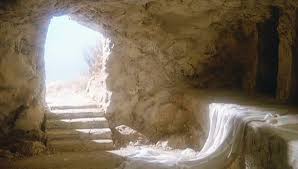
    The movie Risen offers a unique look at the crucifixion and resurrection of Jesus. How did a worldwide movement arise after the ignominious death of their leader? It all hinged on one question. Did Jesus rise from the dead?

    I wrote the following about the improbable rise of these early Jesus followers in my book “When Bad Christians Happen to Good People” a few years ago.

    History records that several alleged messianic figures were running around during the time of Christ. It is possible that some of them had followers as impressive as the twelve selected by Jesus. Jesus took twelve guys of questionable attributes and built the largest faith in the world.

    Not one of the other would-be messiahs’ influence made it into the second century, let alone the twenty-first. So our calendar is dated by the birth of Christ. Does it not pique your curiosity that such a band of men could have such a global impact? No other man in history has had a greater effect, yet His ministry lasted only three years and ended in betrayal and a criminal execution. His blue-collar band of disciples led a religion that turned the world upside down. His disciples scattered and, on the way out the door, denied Him. And yet something transformed them, and they later had the courage to stand against persecution and even death to proclaim His truth. Somehow these men were persuasive enough to influence people to spread His gospel all over the globe.

    Does it not seem odd that the leaders of that day who possessed absolute power could not stamp out this modest little faith? Why did they not produce the body of Jesus and put an end to the craziness once and for all? It was certainly in the best interests of Rome and the comfortable “Religious Right” of the day to quell this peasant uprising. Or, if they couldn’t produce the body, why didn’t they simply discredit the Resurrection account in such a way that no one would believe it? The resurrection of Christ is a pretty outrageous claim, and it would seem easy to refute.

    That was why the story line of  Risen was intriguing to me. Historically, there was a Nazarene who was crucified. There were two groups that had a tremendous interest in making sure that was the end of his story. The Romans wanted no movement to grow that would cause political unrest. The Jewish leaders wanted to stamp out the heresy that they believed this teacher was spreading and also keep their power intact. It was a win-win for the religious leaders and Rome to eliminate this messianic hope of the people.

    The story is told through the eyes of Roman soldier and Tribune Clavius. He is tasked by Herod to make sure the crazy followers of this man did not steal the body. A rumor had been circulating that the Nazarene would rise again in three days so Clavius makes sure the stone is rolled into place and the tomb is sealed. Roman guards are put in place knowing they will be killed if they fail to keep the body securely in the tomb.

    Three days later the body is gone and Clavius begins a desperate hunt to find the body. The battle hardened soldier cannot accept that this Nazarene named Jesus could have somehow come back to life. That is a step of faith that people are still wrestling with 2,000 years later. But it is the most important question of all if you are to put your faith in Jesus. Pastor/Author Tim Keller sums it up.

    “If Jesus rose from the dead, then you have to accept all that he said; if he didn’t rise from the dead, then why worry about any of what he said? The issue on which everything hangs is not whether or not you like his teaching but whether or not he rose from the dead.”

    The movie explores the imagined lengths that the Romans and religious leaders go to to quell the rumor that Jesus has risen. They try to find the body or any body that could be displayed to stop the rumors. They did not.

    I struggled with these same questions over forty years ago.

    • How could the body disappear?
    • How did the Apostles who were so afraid become heroes of the faith and willing to die a martyr’s death? Simply because they stole the body out of a tomb?That made no sense to me.
    • And could they have kept a lie of such massive implications secret?

    I love the honest evaluation of former Watergate principle Chuck Colson.

    “I know the resurrection is a fact, and Watergate proved it to me. How? Because 12 men testified they had seen Jesus raised from the dead, then they proclaimed that truth for 40 years, never once denying it. Every one was beaten, tortured, stoned and put in prison. They would not have endured that if it weren’t true. Watergate embroiled 12 of the most powerful men in the world-and they couldn’t keep a lie for three weeks. You’re telling me 12 apostles could keep a lie for 40 years? Absolutely impossible.”

    Honest people can view the same evidence and come up with completely different opinions. I wrestled with the claims of Jesus Christ for a long time before I decided to believe that He was who He claimed to be. And I remember feeling exactly what the fictional character Clavius felt when asked what he feared most.

    “Being wrong. Wagering eternity on it.”