Christmas really is the most wonderful time of the year. I love the music, the memories, the traditions, and the chance to annually think about Burl Ives.
His memory returns with the annual airing of Rudolph the Red-Nosed Reindeer. Ives is the voice of Sam the Snowman who narrates the “enhanced” story of Rudolph.
Rudolph and his elf buddy Hermey don’t fit in with the others. Rudolph looks different than his peers. Hermey is not interested in making toys. In an odd plot twist, Hermey wants to be a dentist. Not surprisingly, his elf supervisor is upset with the unproductive Hermey. So the two outcasts set off to find their purpose and a place to be accepted.
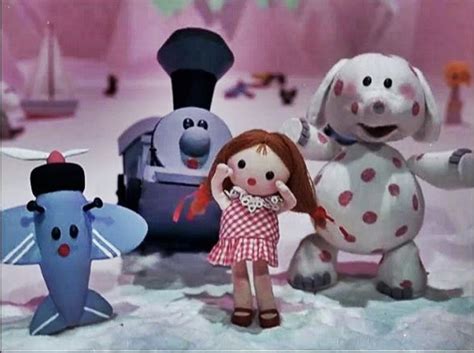
The part of the story that resonates with me these days is when Hermey and Rudolph find their way to the Island of Misfit Toys. All of the toys on this island are castoffs because they are flawed and deemed worthless. There is a “Charlie in the Box” and a train with square wheels. A boat that sinks in water and a squirt gun that shoots jelly. All of these flawed toys are banished to the Island of Misfit Toys simply because they are different and judged as worthless.
That is how I picture so many sad and tired followers of Jesus. They see themselves as misfits. They believe they are flawed and not worth much of anything. They have allowed a perceived idea of what a “good” Christian should look like to cause them to feel like they don’t measure up. The doubts overwhelm them. Discouraged followers of Christ start thinking thoughts like these.
I don’t have theological training. I can’t sing well. I am not a good teacher. I am afraid to share my faith. I feel awkward in groups. I am not a leader. I don’t have much to offer.
But that is not how the Bible describes a follower of Christ. Every Christian is described as being part of the body of Christ. Scripture makes it clear that every part of the body of Christ is vital to the healthy function of the church. Henri Nouwen wrote that every follower of Jesus has a God designed role.
“We seldom realize fully that we are sent to fulfill God-given tasks. . . . We act as if we were simply dropped down in creation and have to decide how to entertain ourselves until we die. But we were sent into the world by God, just as Jesus was. Once we start living our lives with that conviction, we will soon know what we were sent to do.”
So if you are feeling like a misfit toy this Christmas season you can trust this truth. You have a divine purpose. God does not make misfits. He creates people in His image with value and great worth. Satan would like you to retreat to your own island of misfits to feel sad and worthless. But God has another gathering place in mind.
The Island of Grace. On that island you are not a misfit. You are a beloved child of God. You are a saint. And in this wonderful place there are no misfits. Every blemish makes you more valuable, not less. Brokenness makes you more beautiful. The miracle of Christmas makes us friends to the King. Paul made that abundantly clear with these words of encouragement to the Church in Rome.
So now we can rejoice in our wonderful new relationship with God because our Lord Jesus Christ has made us friends of God. (Romans 5:11, NLT)
Friend of God? Hard to feel like a misfit if you believe that is true. Receive that gift and keep it close to your heart.
(To celebrate the 10 Anniversary of Stay:Lessons My Dogs Taught Me about Life, Loss, and Grace I am posting a chapter outlining the best lesson learned from Hannah today and Maggie tomorrow. Forgive me for a longer read but I hope it resonates with you. Hannah goes first.)
Today I was thinking about Hannah’s cancer diagnosis and wondering how long our journey would last. As she often does, Hannah sensed my sadness, came over, and put her head in my lap.
I remembered as she nuzzled me that she had taught me a very valuable lesson years ago before her own trial had come along. One reason Hannah is such a special friend is that she entered our lives during a difficult season when her human mom —my wife, Joni—was diagnosed with breast cancer. Hannah provided a comforting presence during a scary time. I found an anonymous quote that sums up one big reason why: “One reason a dog can be such a comfort when you’re feeling blue is that she doesn’t try to find out why.”
Hannah knew how to deal with people going through an emotionally and physically draining valley. Her solution was simple but powerful.
Be present.
It was just the unsolicited encouragement that Joni and I so needed at the time. When this cancer journey began, we learned a lot of hard lessons. One of the hardest to swallow was people’s reactions, how those close to us dealt with tragedy and illness. We had expectations of who would be there for us during the storm, but those expectations were rarely correct. Some people that we were sure would be steadfast became invisible. Others that we would have wagered the mortgage on to be constant encouragers became awkward and distant. When your expectations are met with barely any response from friends and family, it can devastate your spirit and lead to despair.
Although reasons were never given, I could guess why people struggled with our situation, based on the unique baggage they brought to their own story. Perhaps cancer made them fear their own mortality. Some acted as if cancer is contagious. Perhaps they worried they might say the wrong thing. Others might have felt pressure to make sense of a senseless situation or the need to figure out the spiritual reason for the trial, and when they had no answer to give us, they retreated. I understand all that now, but at the time it hurt.
That’s what Hannah sensed. Her intuitive evaluation of my emotions was uncanny. Hannah would come to me and nudge me as if to say, “I’m here.” As she shifted her big brown eyes toward mine, her gaze communicated, “I don’t know how to help, but I wish I could.”
There was incredible comfort in her presence.
She was right. That was all I needed—presence. When Joni was sick with cancer, all we needed from friends and fellow followers of Jesus was caring presence.
The theology of why bad things happen could wait. The go-to verse that “all things work together for good” (Romans 8:28, kjv) could be explored when time gave perspective. You don’t need to explain or spiritualize trials. You need to be present and willing to walk with your friend or loved one in grace and love. Simple, yet incredibly powerful.
Remember me mentioning Job and his suffering in the introduction? At first, Job’s friends were fantastic empathizers. When they simply sat with Job and grieved with him, I am sure he took comfort in these men who cared enough to be present. But then they decided to speak their piece. They resorted to the familiar default mode of needing to “figure out” what Job did to trigger his suffering. They tried to explain what they could not understand.
God was faithful to provide caring people to walk with Joni and me. We thanked Him for those He prompted to love us, instead of wondering why others were not there. That was a spiritual turning point for us.
During Joni’s cancer, Hannah obviously had no idea why we were sad. She had no more understanding of Joni’s disease than she would later have of her own prognosis. But she could sense our sorrow and she was present in the moment.
Joni’s breast cancer treatment included surgery and a year of chemotherapy followed by weeks of radiation. We joked about our weekly dates at the “Slow-Drip Spa” but there was not much humor to be found in the aftermath of those sessions. Joni fought nausea and her plummeting white blood cell counts were dangerously low, compromising her recovery. One day after we returned home from Joni’s chemotherapy session, she went straight to the bedroom, exhausted, to try to sleep off the nausea. I sat on the couch in our living room staring at nothing as I tried to process all that Joni was going through.
Hannah sensed my sadness but wasn’t sure what to do. She walked by, looked at me, picked up a tennis ball, and brought it to me. I could see a hint of uncertainty in her eyes. I imagined a thought bubble appearing over her head with the message, “Would this help make you less sad?”
I tossed the ball to her but she did not play with the normal zeal that she had during our games of catch.
This day Hannah caught the ball, calmly brought it back, and gently dropped it in my lap. It was as if she was doing this for me and not her. She was giving me a few moments of respite from my fears. I don’t recall another time that she played in that way.
A recent study done by Goldsmiths College in London suggests that dogs may respond more to our emotions than any other species, including our own. According to the study conducted by Dr. Deborah Custance and Jennifer Mayer, dogs will even approach strangers to comfort them, regardless of expectation of reward or care. That certainly makes them different from many humans.
The researchers did the following experiment.
Eighteen pet dogs, spanning a range of ages and breeds, were exposed to four separate 20-second experimental conditions in which either the dog’s owner or an unfamiliar person pretended to cry, hummed in an odd manner, or carried out a casual conversation. The dogs demonstrated behaviours consistent with an expression of empathic concern. Significantly more dogs looked at, approached and touched the humans as they were crying as opposed to humming, and no dogs responded during talking.
Humming was included because it is an unusual sound that might arouse the curiosity of the dogs. But interestingly enough, the dogs consistently reacted to the person who was crying instead of the ones humming or talking, regardless of whether the person crying was a dog’s owner or a complete stranger.
Jennifer Mayer summed up the surprising result which was amazing to me.
“If the dogs’ approaches during the crying condition were motivated by self-oriented comfort-seeking, they would be more likely to approach their usual source of comfort, their owner, rather than the stranger. No such preference was found. The dogs approached whoever was crying regardless of their identity. Thus they were responding to the person’s emotion, not their own needs, which is suggestive of empathic-like comfort-offering behavior.”
The researchers suggested that centuries of breeding had created this type of response in our canine companions. Perhaps. But I align more with Martin Luther’s thoughts on this issue: “The dog is the most faithful of animals and would be much esteemed were it not so common. Our Lord God has made his greatest gifts the commonest.”
I think God has given us a model of walking, breathing grace in these amazing creatures.
The empathetic instinct to pain that my friend Hannah possesses can be a template for how I can be present with God. There are times when my baggage or fear cause me to be awkward and distant from God. I am not sure what to say or even if God wants to deal with my weak faith again. I am tempted to talk bravely as if nothing is wrong. But my heart is crying out in pain. God comforts me in the brave talking, but He rushes toward the crying of my soul. I think that is what the apostle Paul is describing in Romans, assuring us that the Holy Spirit intercedes on our behalf when we are too anguished to even find words:
The Holy Spirit helps us in our weakness. For example, we don’t know what God wants us to pray for. But the Holy Spirit prays for us with groanings that cannot be expressed in words. And the Father who knows all hearts knows what the Spirit is saying, for the Spirit pleads for us believers in harmony with God’s own will. (Romans 8:26-27)
The Holy Spirit senses our heart and literally interprets our anguish to the Father. God desires that we simply be present with Him. We don’t need to pray eloquent psalms of petition. We simply put our head in the lap of Abba Father and say, “I’m here.” And isn’t it interesting that it is in this very intimate context of submission and tender dependence on the Holy Spirit that the oft-quoted phrase about how “all things work together for good” occurs?
The Holy Spirit helps us in our weakness. For example, we don’t know what God wants us to pray for. But the Holy Spirit prays for us with groanings that cannot be expressed in words. And the Father who knows all hearts knows what the Spirit is saying, for the Spirit pleads for us believers in harmony with God’s own will. And we know that God causes everything to work together for the good of those who love God and are called according to his purpose for them. (Romans 8:26-28)
We isolate the verse about “everything working for good” from its context and throw it out as “comfort” for those who are suffering. Paul says that God is with us in our suffering, not just for one specific event, but for all of the trials we will face in our lives. All of them will be ultimately redeemed for those who love God.
The purpose of our trials is not necessarily to have things work out neatly, according to our desires. Romans 8:29 says, “God knew his people in advance, and he chose them to become like his Son.” God chose believers to become like His Son. All of these trials together will cause us to become more like Jesus. That may or may not mean a particular event will work out well. How often have we wounded a hurting soul with our shallow spiritualizing when he or she just needed a friend?
Learning to be present for a friend or a loved one is a precious skill. Henri Nouwen captures this heart of friendship well.
“When we honestly ask ourselves which persons in our lives mean the most to us, we often find that it is those who, instead of giving much advice, solutions, or cures, have chosen rather to share our pain and touch our wounds with a gentle and tender hand. The friend who can be silent with us in a moment of despair or confusion, who can stay with us in an hour of grief and bereavement, who can tolerate not-knowing, not-curing, not-healing and face with us the reality of our powerlessness, that is the friend who cares.”
It starts with being present, a lesson well taught by my friend Hannah. She gave me a clear example of being present when your friend is hurting. Just be present. Not all-knowing. Not awkwardly fumbling for words. Simply present.
Tonight I got into bed late, and Hannah got up with some difficulty from her comfy bed and walked to my side. Maybe she needed my presence. Maybe she sensed my need for a therapeutic ear scratch. I suspect the truth is that both of us had needs that were met by that simple action of presence and affection. That is how it works when we drop our fears and selfishness to make ourselves lovingly present in a loved one’s pain. It is therapeutic for everyone involved.
During Joni’s difficult cancer trial we learned that the peace that surpasses all understanding is real. We lived it and we got through a very trying year by leaning on each other, great doctors, good friends, God’s grace, and lots of Hannah nuzzles.
Christmas really is the most wonderful time of the year. I love the music, the memories, the traditions, and the chance to annually think about Burl Ives.
His memory returns with the annual airing of Rudolph the Red-Nosed Reindeer. Ives is the voice of Sam the Snowman who narrates the “enhanced” story of Rudolph.
Rudolph and his elf buddy Hermey don’t fit in with the others. Rudolph looks different than his peers. Hermey is not interested in making toys. In an odd plot twist, Hermey wants to be a dentist. Not surprisingly, his elf supervisor is upset with the unproductive Hermey. So the two outcasts set off to find their purpose and a place to be accepted.
The part of the story that resonates with me these days is when Hermey and Rudolph find their way to the Island of Misfit Toys. All of the toys on this island are castoffs because they are flawed and deemed worthless. There is a “Charlie in the Box” and a train with square wheels. A boat that sinks in water and a squirt gun that shoots jelly. All of these flawed toys are banished to the Island of Misfit Toys simply because they are different.
That is how I picture so many sad and tired followers of Jesus. They see themselves as misfits. They believe they are flawed and not worth much of anything. They have allowed a perceived idea of what a “good” Christian should look like to cause them to feel like they don’t measure up. The doubts overwhelm them. Discouraged followers of Christ start thinking thoughts like these.
I don’t have theological training. I can’t sing well. I am not a good teacher. I am afraid to share my faith. I feel awkward in groups. I am not a leader. I don’t have much to offer.
But that is not how the Bible describes a follower of Christ. Every Christian is described as being part of the body of Christ. Scripture makes it clear that every part of the body of Christ is vital to the healthy function of the church. Henri Nouwen wrote that every follower of Jesus has a God designed role.
“We seldom realize fully that we are sent to fulfill God-given tasks. . . . We act as if we were simply dropped down in creation and have to decide how to entertain ourselves until we die. But we were sent into the world by God, just as Jesus was. Once we start living our lives with that conviction, we will soon know what we were sent to do.”
So if you are feeling like a misfit toy this Christmas season you can trust this truth. You have a divine purpose. God does not make misfits. He creates people in His image with value and great worth. Satan would like you to retreat to your own island of misfits to feel sad and worthless. But God has another gathering place in mind.
The Island of Grace. On that island you are not a misfit. You are a beloved child of God. You are a saint. And in this wonderful place there are no misfits. Every blemish makes you more valuable, not less. Brokenness makes you more beautiful. The miracle of Christmas makes us friends to the King. Paul made that abundantly clear with these words of encouragement to the Church in Rome.
So now we can rejoice in our wonderful new relationship with God because our Lord Jesus Christ has made us friends of God. (Romans 5, NLT)
Friend of God? Hard to feel like a misfit if you believe that is true. Open that gift this year and keep it close to your heart.
Why me Lord? I suspect that most of us have cried out to God with that question. I would also guess that approximately ninety-nine percent of the time we are asking God why some trial has come our way that we feel is undeserved.
The same question has been asked throughout history. “Why me Lord? Why me?”
A song by Kris Kristoffersoncycled up on on my satellite radio today and reminded me of a better perspective. I have loved Kristofferson’s song “Why Me?” since I was a young believer and, if you do the math, you realize that I am not so young a believer anymore. The truth is I am still trying to apply the wisdom of these lyrics.
Why me Lord, what have I ever done To deserve even one Of the pleasures I’ve known Tell me Lord, what did I ever done That was worth loving you Or the kindness you’ve shown
So true. What have I done to deserve even one of His blessings? I did not deserve forgiveness. That was a gift of grace from a loving God. I did not deserve to be born in the United States into incredible comfort, religious freedom, and opportunity. I did not deserve to be born healthy when others live with chronic afflictions. Those things were blessings that I received without complaining to my Creator.
The “why me Lord” question we so often ask should have an entirely different focus.
Why me Lord? What have I done to deserve your blessing?
It is true that some seem to suffer a disproportionate amount of affliction and difficulty. It doesn’t seem fair. The theology that faithful Christians will experience nonstop prosperity, perfect health, and green lights at every intersection is a lie from the pit of Hell. Suffering is a part of the process that God uses to refine our faith and ultimately to glorify Him.
My high school basketball coach was a winner and a great teacher. I remember Coach Tom Cuppett yelling at me. A lot. It seemed I could never do anything right. We would run a play and the whistle would blow. “Burchett….what are you doing?” Then he would grab me and the other forwards and walk us through what was supposed to happen. After my senior season Coach Cuppett called me in to his office.
“I have to let you in on something. Remember how I always yelled at you and walked you through the plays?” He asked. I responded with a smile. “Pretty hard to forget that you can’t do anything right.” “The truth is that a lot of the time it was not you who messed up. But (redacted) couldn’t take the criticism and you could. So I yelled at you and then grabbed him and walked both of through the plays so he would learn without losing his confidence.” “It would have been nice to know why I was the target so often.” “I couldn’t tell you at the time. But I trusted you to keep going and you did. Your ability to handle adversity made him and our team better.”
The lesson never left. I trusted a good coach and accepted what I had to endure to achieve our goal of winning. Later I found out that I had gained honor in his eyes by trusting him even when things didn’t seem “fair”. How much more so can I trust a God who loved me enough to offer grace when I was completely without merit? What if that trial is given to me because God deems me able to remain steadfast and through that faithfulness others will be impacted for good? What if I get called into God’s office someday and find out that He gave me the gift of trials to reflect His glory and now my rewards will far exceed that temporary pain? If I can trust an earthly coach then I can certainly trust my Heavenly Father with all of me.
Kristofferson writes about what many of us regret.
Lord help me, Jesus I’ve wasted it so help me, Jesus I know what I am But now that I know That I’ve needed you so help me, Jesus My soul’s in your hand
That is the amazing thing about our God of redemption and second chances. It is never too late to start trusting and living in His grace. It starts with believing your real identity. Henri Nouwen says it well.
“You can deal with an enormous amount of success as well as an enormous amount of failure without losing your identity, because your identity is that you are the beloved. Long before your father and mother, your brothers and sisters, your teachers, your church, or any people touched you in a loving as well as in a wounding way-long before you were rejected by some person or praised by somebody else-that voice has been there always. “I have loved you with an everlasting love.” That love is there before you were born and will be there after you die.”
Paul wrote this to the Church at Ephesus.
Even before he made the world, God loved us and chose us in Christ to be holy and without fault in his eyes. God decided in advance to adopt us into his own family by bringing us to himself through Jesus Christ. This is what he wanted to do, and it gave him great pleasure. So we praise God for the glorious grace he has poured out on us who belong to his dear Son.He is so rich in kindness and grace that he purchased our freedom with the blood of his Son and forgave our sins. He has showered his kindness on us, along with all wisdom and understanding. (Ephesians 1, NLT)
Believing that makes it possible to ask “why me” in a very different way.
Christmas really is the most wonderful time of the year. I love the music, the memories, the traditions, and the chance to annually think about Burl Ives.
His memory returns with my annual viewing of Rudolph the Red-Nosed Reindeer. Ives is the voice of Sam the Snowman who narrates the “enhanced” story of Rudolph.
Rudolph and his elf buddy Hermey don’t fit in with the others. Rudolph looks different than his peers. Hermey is not interested in making toys. In an odd plot twist, Hermey wants to be a dentist. Not surprisingly, his elf supervisor is upset with the unproductive Hermey. So the two outcasts set off to find their purpose and a place to be accepted.
The part of the story that resonates with me these days is when Hermey and Rudolph find their way to the Island of Misfit Toys. All of the toys on this island are castoffs because they are flawed and deemed worthless. There is a “Charlie in the Box” and a train with square wheels. A boat that sinks in water and a squirt gun that shoots jelly. All of these flawed toys are banished to the Island of Misfit Toys simply because they are different.
That is how I picture so many sad and tired followers of Jesus. They see themselves as misfits. They believe they are flawed and not worth much of anything. They have allowed a perceived idea of what a “good” Christian should look like to cause them to feel like they don’t measure up. The doubts overwhelm them. Discouraged followers of Christ start thinking thoughts like these.
I don’t have theological training. I can’t sing well. I am not a good teacher. I am afraid to share my faith. I feel awkward in groups. I am not a leader. I don’t have much to offer.
But that is not how the Bible describes a follower of Christ. Every Christian is described as being part of the body of Christ. Scripture makes it clear that every part of the body of Christ is vital to the healthy function of the church. Henri Nouwen wrote that every follower of Jesus has a God designed role.
“We seldom realize fully that we are sent to fulfill God-given tasks. . . . We act as if we were simply dropped down in creation and have to decide how to entertain ourselves until we die. But we were sent into the world by God, just as Jesus was. Once we start living our lives with that conviction, we will soon know what we were sent to do.”
So if you are feeling like a misfit toy this Christmas season you can trust this truth. You have a divine purpose. God does not make misfits. He creates people in His image with value and great worth. Satan would like you to retreat to your own island of misfits to feel sad and worthless. But God has another gathering place in mind.
The Island of Grace. On that island you are not a misfit. You are a beloved child of God. You are a saint. And in this wonderful place there are no misfits. Every blemish makes you more valuable, not less. Brokenness makes you more beautiful. The miracle of Christmas makes us friends to the King. Paul made that abundantly clear with these words of encouragement to the Church in Rome.
So now we can rejoice in our wonderful new relationship with God because our Lord Jesus Christ has made us friends of God. (Romans 5, NLT)
Friend of God? Hard to feel like a misfit if you believe that is true. Open that gift this year and keep it close to your heart.
A few years ago my nephew’s daughter asked my advice about navigating the emotional ups and downs of the high school years. Here is what I told her.
1. I wish I had known that my high school years did not define me for life
My teen years were a mixed bag of memorable highs and incredible lows. Now I realize that I am grateful for what I once considered some of the difficult moments of my life. In many of those spiritual valleys you could not have begun to convince me that God was molding me or that those experiences could ever be of value.
Had I been the coolest guy or the best athlete I most likely would not have developed a sensitive spirit to others. With the benefit of hindsight I can promise you that I am grateful for every refining difficulty and problem. High school did not define who I would become and it does not define you either.
2. I wish I had known that every person is created in God’s image…and He loves them just as much as He loves me
Sparky Anderson, a former Cincinnati Reds manager, once said that “you can never go wrong being classy.” And you can never go wrong being kind to everyone. Sometimes you will be tempted to ridicule or tease those who are less attractive, intelligent, gifted, or cool. Don’t do it. High school is the start of a very long journey. Some people seem to be leading the life race coming out of high school but there is a long way to go. The real winners know that life is a marathon and that God has a plan for that long race. Be kind to everyone. Jesus loves them. And so should you.
3. I wish I had known in high school that I needed to take responsibility for my own actions
Learn now to say these three sentences.
I was wrong. I am sorry. Forgive me.
And keep your “but” out of those statements. Don’t say “I was wrong ‘but’ I didn’t think it would hurt you” or “I am sorry ‘but’ I was having a bad day.” Those are not real apologies. Take responsibility. Live with integrity. That will make you unique in this culture!
4. I wish I had really believed that God had a plan for my life
Every person has a God-designed destiny whether they believe it or not. Henri Nouwen wrote about living with that frame of mind.
We seldom realize fully that we are sent to fulfill God-given tasks. . . . We act as if we were simply dropped down in creation and have to decide how to entertain ourselves until we die. But we were sent into the world by God, just as Jesus was. Once we start living our lives with that conviction, we will soon know what we were sent to do.
Living out of who you are is liberating. The apostle Paul had some thoughts about such a life when he wrote to the church at Ephesus.
Salvation is not a reward for the good things we have done, so none of us can boast about it. For we are God’s masterpiece. He has created us anew in Christ Jesus, so we can do the good things he planned for us long ago. (Ephesians 2:9-10, NLT)
Think about that! You were rescued from the death of sin by grace. It was a gift that could not be earned. And you are a new creation, indeed a masterpiece for whom good things were planned from the beginning of time. How can followers of Jesus possibly have self-image issues? Only when we believe the lies.
5. I wish I had known that the most important decision I will ever make is who or what I worship
Everyone one worships something or someone. It can be money or power or fame or popularity or another person. We have a deep yearning to find our purpose and significance. If you don’t find that identity and significance in Christ you will tend to fill it with wrong things. Often those things are not inherently bad. But they can become bad things when they become the focus instead of Jesus. We used to sing a camp song with these lyrics..
Seek ye first the kingdom of God And His righteousness And all these things shall be added unto you
There is nothing wrong with these “things” when you seek the kingdom of God first.
6) I wish I had known that God’s grace is the key to freedom
In high school I believed that my performance was the key to my acceptance. I transferred that belief to my relationship with God. That was a spiritual stumbling block until I learned the remarkable truth of God’s grace. I finally learned that it was Jesus’ performance for me that makes me accepted by God and not my good behavior for Him.
Grace allows me to quit trying to be righteous and actually begin to be righteous as I focus on the One who gave me the gift of grace. Grace allows me to deal with sin instead of trying to manage and rationalize it. Grace is real and powerful. It is not weak or cheap. If you think grace is cheap, go to the foot of the Cross, look up, and see what grace price was paid for every person on earth. Grace should never be my cover for sin. Instead grace is my only hope to deal with it. Grace makes me tremble when I think of an almighty and powerful God who loved someone unlovable like me. Why would He give such a gift to an unworthy child? And how could I be comfortable taking advantage of that amazing grace? I cannot. I pray that I will not. Grace is compelling. I want it to be compelling in my life as well. Real grace works. Love grace with abandon.
God saved you by his grace when you believed. And you can’t take credit for this; it is a gift from God. (Ephesians 2:8, NLT)
I know that most of us have to learn the lessons of life the hard way. I am still learning after all of these years how to follow Jesus more consistently. He is so incredibly patient and loving as I stumble along. Add that to the list of things I wish I had known and believed.
An excerpt from this blog came from Stay: Lessons My Dogs Taught Me about Life, Loss, and Grace. Click here for more info.
Christmas really is the most wonderful time of the year. I love the music, the memories, the traditions, and the chance to annually think about Burl Ives.
His memory returns with the annual airing of Rudolph the Red-Nosed Reindeer. Ives is the voice of Sam the Snowman who narrates the “enhanced” story of Rudolph.
Rudolph and his elf buddy Hermey don’t fit in with the others. Rudolph looks different than his peers. Hermey is not interested in making toys. In an odd plot twist, Hermey wants to be a dentist. Not surprisingly, his elf supervisor is upset with the unproductive Hermey. So the two outcasts set off to find their purpose and a place to be accepted.
The part of the story that resonates with me these days is when Hermey and Rudolph find their way to the Island of Misfit Toys. All of the toys on this island are castoffs because they are flawed and deemed worthless. There is a “Charlie in the Box” and a train with square wheels. A boat that sinks in water and a squirt gun that shoots jelly. All of these flawed toys are banished to the Island of Misfit Toys simply because they are different.
That is how I picture so many sad and tired followers of Jesus. They see themselves as misfits. They believe they are flawed and not worth much of anything. They have allowed a perceived idea of what a “good” Christian should look like to cause them to feel like they don’t measure up. The doubts overwhelm them. Discouraged followers of Christ start thinking thoughts like these.
I don’t have theological training. I can’t sing well. I am not a good teacher. I am afraid to share my faith. I feel awkward in groups. I am not a leader. I don’t have much to offer.
But that is not how the Bible describes a follower of Christ. Every Christian is described as being part of the body of Christ. Scripture makes it clear that every part of the body of Christ is vital to the healthy function of the church. Henri Nouwen wrote that every follower of Jesus has a God designed role.
“We seldom realize fully that we are sent to fulfill God-given tasks. . . . We act as if we were simply dropped down in creation and have to decide how to entertain ourselves until we die. But we were sent into the world by God, just as Jesus was. Once we start living our lives with that conviction, we will soon know what we were sent to do.”
So if you are feeling like a misfit toy this Christmas season you can trust this truth. You have a divine purpose. God does not make misfits. He creates people in His image with value and great worth. Satan would like you to retreat to your own island of misfits to feel sad and worthless. But God has another gathering place in mind.
The Island of Grace. On that island you are not a misfit. You are a beloved child of God. You are a saint. And in this wonderful place there are no misfits. Every blemish makes you more valuable, not less. Brokenness makes you more beautiful. The miracle of Christmas makes us friends to the King. Paul made that abundantly clear with these words of encouragement to the Church in Rome.
So now we can rejoice in our wonderful new relationship with God because our Lord Jesus Christ has made us friends of God. (Romans 5, NLT)
Friend of God? Hard to feel like a misfit if you believe that is true. Open that gift this year and keep it close to your heart.